
A Beginner's Guide to UK Cold-Water Coral Reefs
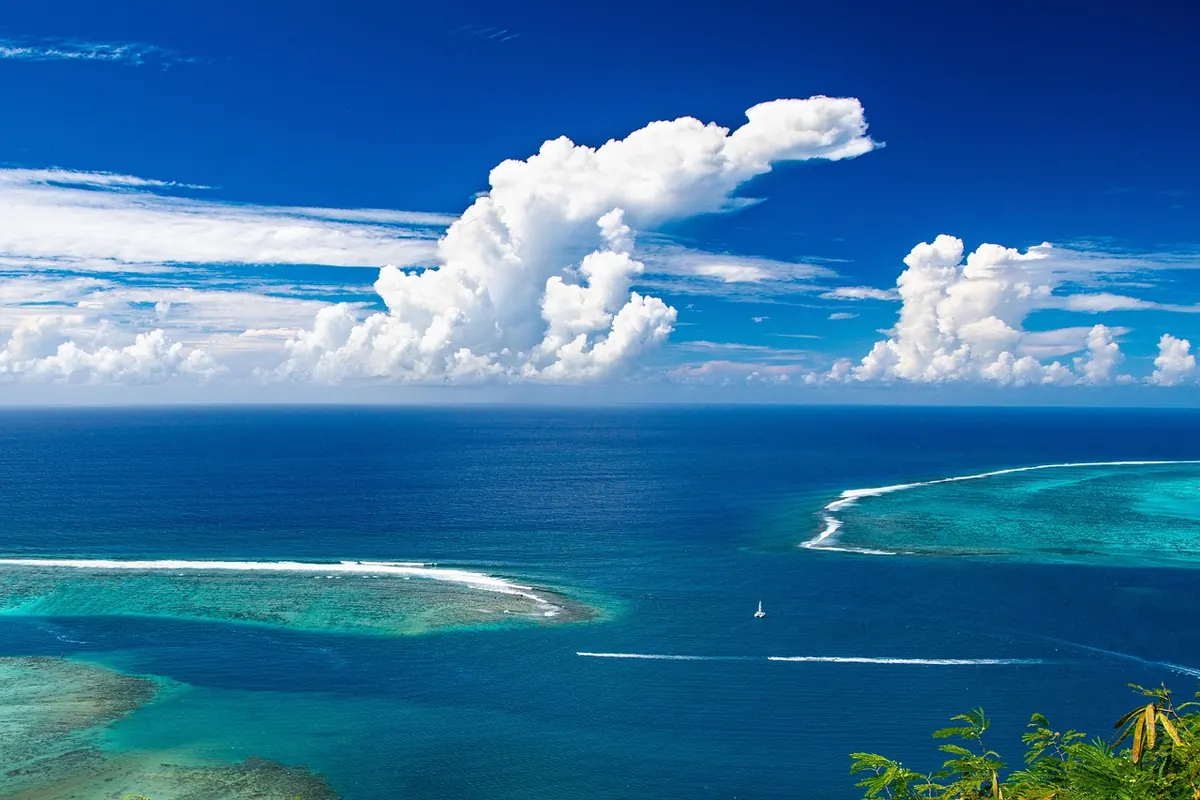
There is coral in British waters, and quite a lot of it. It grows in cold, dark water off the west of Scotland, along the edge of the continental shelf, and in a handful of deep sea lochs where currents keep conditions steady. It is white rather than neon, it builds at a pace that makes tree rings look hasty, and most of it sits far below the reach of a recreational diver. It is still a reef: a living structure that shelters fish, crustaceans and sponges much as a tropical reef does.
If you have seen a photograph of a pale, branching thicket labelled "coral" and assumed it was the Caribbean, there is a fair chance it came from a few hundred metres down off Scotland. Here is what you are looking at, and how to enjoy it without doing damage.
What makes a cold-water coral reef?
Tropical reef corals get much of their energy from microscopic algae living inside their tissues. Cold-water corals have no such arrangement. They are purely animal, catching plankton and drifting organic particles with their tentacles, which is why they do not need sunlight and can live in the dark.
Most UK cold-water coral is found between roughly 200 and 1,000 metres down, in water of about 4–12°C. Growth is exceptionally slow, often measured in millimetres to a centimetre a year. The living coral is usually a thin skin on top of skeletons built by generations before it, so a thicket you see on a camera feed may be centuries old, and the mound beneath it older still.
Not everything on a cold-water reef is a reef-builder. The term covers a spread of habitats, from framework reefs built by stony corals to "coral gardens" of sea fans, sea pens and soft corals on rock and gravel.
The main species to know
Desmophyllum pertusum (long known as Lophelia pertusa)
The chief architect. It grows as bushy white branches, forming thickets, mounds and eventually reef. It is the species most responsible for the structures off Scotland, and the one whose name you will see most often in older books under its former name, Lophelia pertusa.
Madrepora oculata
The second reef-builder, finer and more delicate in appearance, often growing alongside Desmophyllum or slightly deeper and colder. Together the two create the framework that everything else gathers around.
Soft corals, sea fans and cup corals
Around and between the stony corals you will find northern sea fans, sea pens in the muddier ground nearby, and cup corals on rock. In shallower, sunlit water around the UK — particularly the south-west — you can meet relatives of these on a normal dive: dead man's fingers, the Devonshire cup coral, and pink sea fans.
Where to find them around the UK
The richest ground lies to the west and north. The Sea of the Hebrides holds the Mingulay Reef complex, the first cold-water coral reef found in comparatively shallow, inshore UK water. Further out there are the Darwin Mounds west of Shetland, the slopes of Rockall Bank, Hatton Bank and the Anton Dohrn Seamount, and the Wyville Thomson Ridge between Scotland and the Faroes. Off the south-west approaches, canyon systems such as the Whittard Canyon support coral communities of their own.
A handful of Scottish sea lochs also have inshore records, which makes them unusual and delicate places. If you dive or anchor in these areas, treat any coral as off limits.
For most people, the realistic encounters are:
- Live-streamed and recorded footage from research vessels and their remotely operated vehicles.
- Museum collections and aquarium displays that explain deep-sea habitats.
- Shallow dives and snorkel sessions on temperate reefs in Cornwall, Pembrokeshire and western Scotland, where the corals are different species but the etiquette is the same.
Why these reefs matter
A cold-water coral reef is a biodiversity hotspot in an otherwise fairly empty stretch of seabed. The branching structure slows currents, traps food and gives small animals somewhere to hide. Brittle stars, squat lobsters, sponges and anemones crowd onto it, and fish such as redfish, ling and tusk use the surrounding ground for shelter and feeding.
Recovery is the problem. Because growth is so slow, damage from a single pass of heavy fishing gear or a dropped anchor can persist for decades, and some structures will not return at all on a human timescale. That is why several of these areas are protected as marine protected areas or special areas of conservation, and why Darwin Mounds was among the first deep-sea sites in the UK to receive legal protection.
Watching responsibly
If you are diving or snorkelling, these steps cover almost everything that matters:
- Get your buoyancy sorted before you go anywhere near a reef. A fin kick that scatters a sea fan takes a second; the regrowth takes years.
- Never touch, kneel on, hold onto or stand on coral, and keep a sensible distance so your fins and cylinder cannot swing into it.
- Anchor on sand or use a mooring buoy. Anchors and chain do enormous damage to fragile reef on a rough night.
- Take nothing — no fragments, no dead coral, no shells. Much of what looks dead is the foundation of something living.
- Keep lights low and avoid repeated passes over the same patch, especially on night dives. Constant bright light disturbs fish and invertebrates.
- Use a reputable operator. In England and Wales, the WiSe scheme accredits wildlife-watching boat operators; in Scotland, follow the Scottish marine wildlife watching code. Ask before you book what they do to limit disturbance.
- Report what you see. Recording your sightings with a survey programme such as Seasearch adds real value to conservation work, even when you have only seen common species.
Underwater photographers should also think about flash use and about how long they spend hovering over one animal. A good shot is not worth an hour of stress for the subject.
Start with one place
Pick somewhere within reach and learn it properly. If you dive, a temperate reef in Cornwall, Pembrokeshire or the Firth of Lorn will teach you more about British coral than a dozen documentaries. Look for dead man's fingers, cup corals and sea fans, and practise hovering a hand's width above the seabed without touching anything.
If you do not dive, follow the research footage coming out of the Hebrides and the Rockall Bank slopes, and support the organisations arguing for stronger protection of deep-sea habitats. Mention these reefs to other people — most still do not know they exist. And when you are out on the water, leave every reef exactly as you found it, because it took a very long time to get that way.
Photo: xiSerge / Pixabay