
UK Coastal Snorkelling: A Seasonal Checklist for Protecting Marine Life
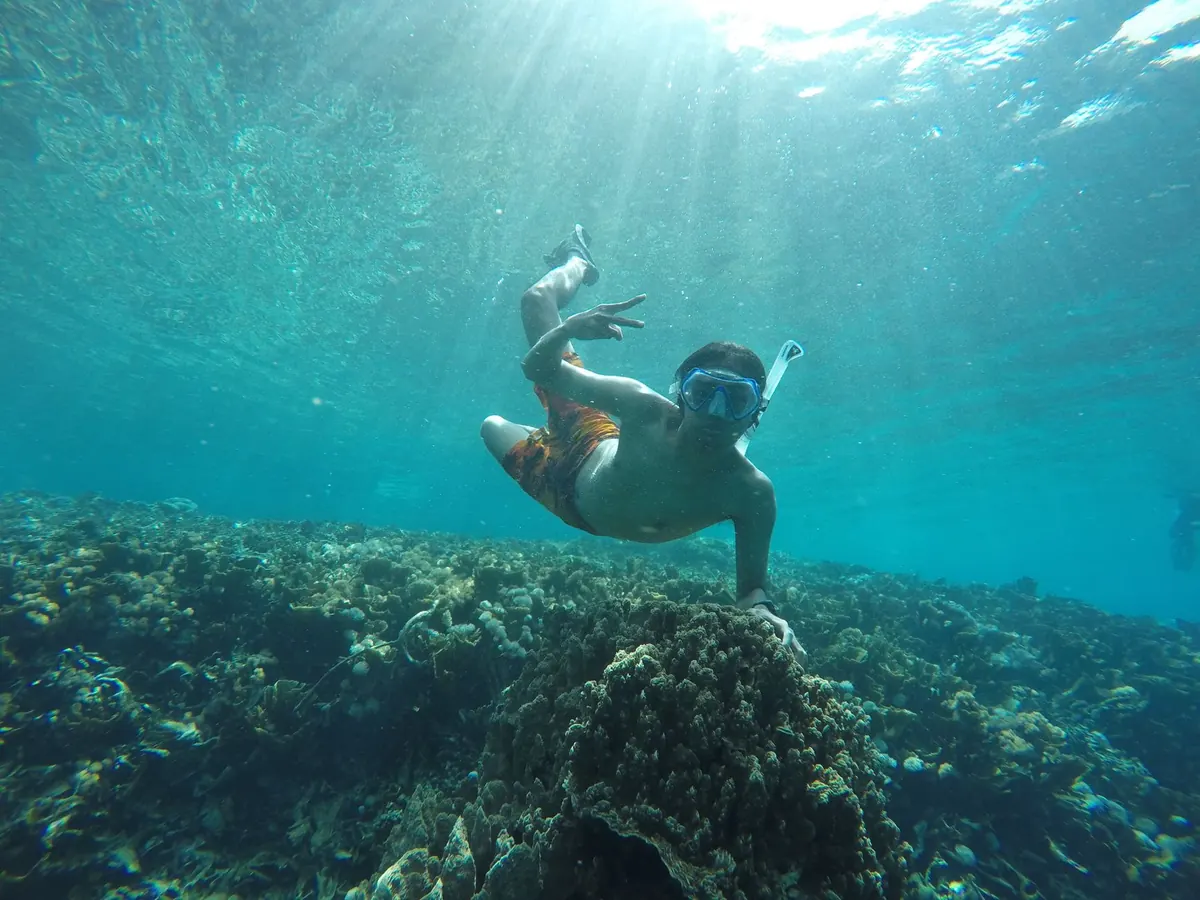
Snorkelling around the UK coast is not a compromise. On a calm June morning, the kelp off Pembrokeshire can be as clear as anything in warmer latitudes, and the life in it — corkwing wrasse, spider crabs, a cuttlefish hovering like a small alien — is entirely native. What changes through the year is the terms of the deal: water temperature, visibility, which animals are around and how much space they need.
Read the Tide Before You Read the Season
Tides shape a UK snorkel more than temperature does. Slack water — the twenty minutes or so either side of high or low tide — is when currents ease and visibility often improves. Spring tides around a full or new moon move far more water than neaps. Wind against tide turns a sheltered bay into a washing machine, so a flat grey morning often beats a warm choppy afternoon.
Local knowledge beats any app. Ask a dive shop or harbour office which state of tide suits a particular mark, and read the table for the nearest standard port rather than the nearest town. A headland that is a gentle drift on the flood can be a serious current on the ebb, so snorkel new spots at slack water on a neap tide first.
Winter: Cold, Clear and Quiet
January and February often bring the clearest water of the year. Storms have stopped churning up sediment, plankton is scarce, and you can properly see the structure of a kelp forest or a maerl bed. The trade-off is temperature: UK sea temperatures sit in the single figures, and a long snorkel without proper insulation is a genuine hypothermia risk.
This is drysuit country, or at least a well-sealed 7mm semi-dry with hood, gloves and boots. Keep sessions short, get out before you feel cold rather than after, and leave dry layers and a flask on shore. Grey seals pup in the west and north through the winter, so give haul-outs and sea caves a wide berth.
Spring: Plankton, Spawners and Fuzzy Water
From March the plankton bloom arrives and visibility can drop to a few metres. Counter-intuitively, this is one of the most rewarding times to be in the water. Cuttlefish move into shallow, weedy ground along the south and west coasts to spawn, and a snorkeller who hovers at a respectful distance will often be studied in return. Nudibranchs appear on reef and seaweed, and spider crabs gather inshore ahead of their moult.
Watch the weather rather than the calendar: a settled week of light easterlies can clear the water earlier than you would expect. Wear a full 5mm or 7mm suit with hood and gloves — the sea is still cold when the air feels like summer.
Summer: Warm Water, Basking Sharks and Boat Traffic
July to September is when most people start, and rightly so. Sea temperatures on the south and west coasts climb into the mid to high teens and a 5mm suit with a hood is comfortable. It is also the busiest time, both on the water and in it.
Basking sharks surface-feed around Cornwall, the Isle of Man and the Hebrides in summer. They are protected, and sharing water with one carries obligations: don't swim at the shark, don't touch it, don't cut across its path, and keep your group small rather than ringing the animal. Let it choose the distance.
From late spring onwards, expect jellyfish. Barrel jellies are harmless to most people; lion's mane and compass jellies are not. Learn the difference before you get in, and wear a full suit rather than shorts.
Autumn: The Season That Surprises People
Sea temperatures lag behind air temperatures, so September and October often deliver the mildest water of the year alongside the clearest. Bass and wrasse are active, seagrass looks its best, and the crowds have gone.
As the season turns, watch the forecast closely. The first autumn gales stir everything up and visibility can disappear overnight. Grey seal pupping begins in the west and around the Farne Islands through the autumn, so keep clear of beaches and caves where pups haul out, and never put yourself between a seal and the water.
Kit, Etiquette and Reporting
What to wear
Match the suit to the water, not to the car park.
- Winter: drysuit or a 7mm semi-dry, hood, 5mm gloves, boots and a thermal base layer.
- Spring: 7mm or 5mm with hood and gloves; the sea is colder than the air.
- Summer: 5mm full suit, hood optional in the south-west, boots and open-heel fins.
- Autumn: back to 5mm or 7mm, with hood and gloves by late October.
- Every trip: a mask that actually fits, a snorkel, a tow float or surface marker, and a buddy.
Giving wildlife space
Never chase, touch, ride or corner anything. At seal haul-outs, stay at least a hundred metres away, and back off immediately if animals start heading for the water — that usually means they have been disturbed. Treat basking sharks and cetaceans the same way: no crowding, no blocking their route, no more than a handful of people in the water at once. Leave seaweed attached, leave limpets on their rock, and take photographs instead of shells. In marine protected areas, check any local code or voluntary no-take zone before you get in.
Reporting what you see
Sightings are genuinely useful, and most UK schemes are run by volunteers who will be glad of yours. Cetaceans go to the Sea Watch Foundation; jellyfish to the Marine Conservation Society; mermaid's purses and shark eggcases to the Shark Trust. Contact British Divers Marine Life Rescue straight away about a live-stranded or injured seal, dolphin or whale rather than trying to help it yourself. Pollution incidents go to the Environment Agency, SEPA, Natural Resources Wales or DAERA depending on where you are, and suspected wildlife crime to the police.
Before You Get In: A Two-Minute Check
- Read the tide table and the forecast: wind direction, swell, and whether wind is running against tide.
- Tell someone where you are going and when you expect to be back. Never snorkel alone.
- Check you have the right suit for the water temperature, not the air temperature.
- Agree a plan with your buddy, including a hand signal that means the snorkel is over.
- Keep your distance from seals, sharks, cetaceans and nesting birds, and leave everything where it is.
- Log your sightings when you get home — it takes five minutes and it counts.
None of this needs to be complicated. If you have a heart condition, asthma or any doubt about how you respond to cold water, speak to your GP before you start; cold water shock affects strong swimmers too. And if a mark is new to you, a local club or guide will save you a lot of guesswork.
Photo: eko sumargiyanto / Pexels