
How to Organise a Coral Awareness Day in Your Local Community
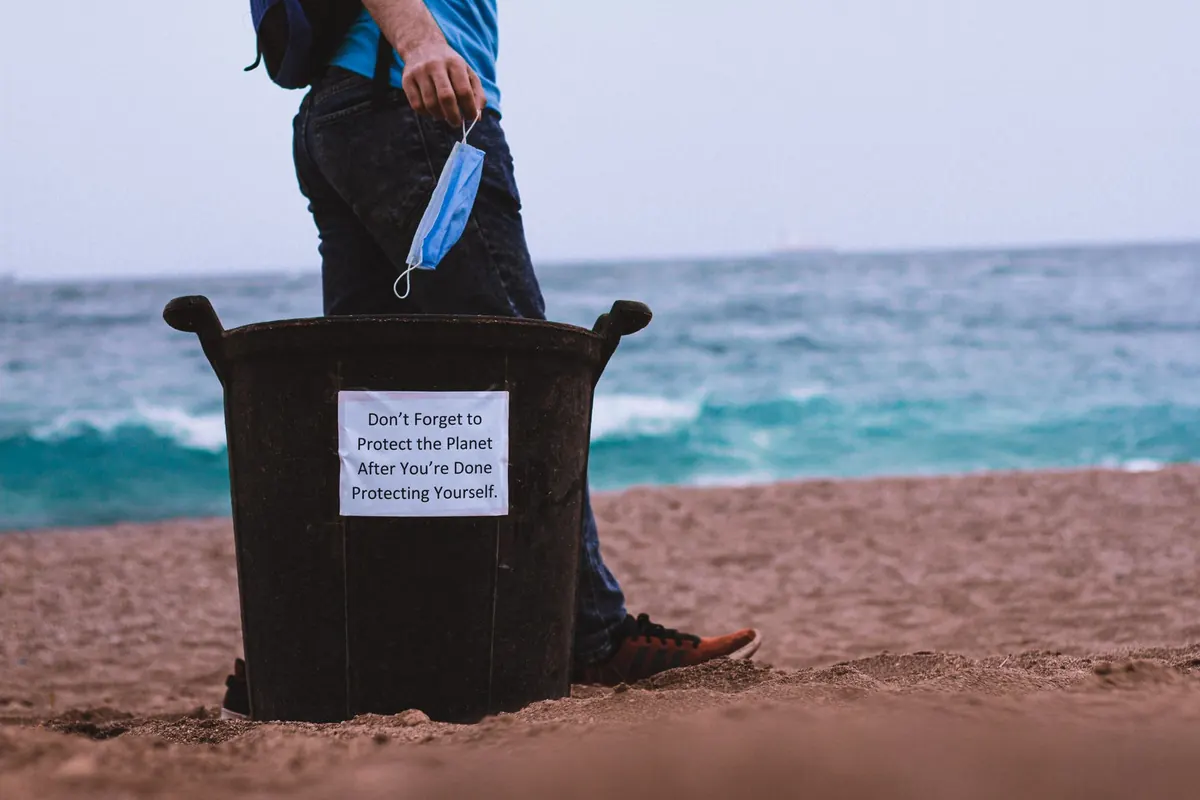
A coral awareness day does not need a lecture theatre or a marine biology degree. It needs a hall, a handful of willing helpers and a reason for people to stop and look. Coral reefs sit thousands of miles from most British high streets, but the choices made here — what we put on our skin, what we buy, what we throw away — reach them anyway. A well-run local event turns a vague worry about the ocean into something people can actually do.
Decide what the day is for
Before you book anything, write one sentence that says what the event is and who it is for. Something like: “A free afternoon of talks, stalls and crafts about coral reefs, and how our choices in [your town] affect them.” If you are raising money as well as awareness, say so plainly — but pick which aim leads, because it shapes everything from the venue to the running order.
Knowing your audience matters just as much. Families will want something to do with their hands. Retirees and local wildlife groups will fill a talk. Divers will come for the photographs and stay for the conversation. You can serve all three, but not by accident.
Gather a small team and share the jobs
Four to six people is plenty for a first event. Give each one a clear patch: one person on the venue and logistics, one on money, one on publicity, one on stalls and activities, one on refreshments and one to coordinate volunteers on the day. Meet twice, keep notes in a shared document, and resist the urge to do everything yourself.
Ask for help early from groups that already have a reason to say yes: a local diving club, the county wildlife trust, a nearby aquarium, a university marine science department, a secondary school science department, Scout and Guide groups, an allotment society for a plant stall, a community café for cakes.
Venue, date and the unglamorous practicalities
Book eight to twelve weeks ahead if you can. Community halls, libraries, church halls, school halls, museum rooms and pub function rooms all work. Then work through the details properly:
- Check step-free access, toilets, a kitchen, tables and chairs, parking and bus routes.
- Ask what insurance the venue holds and whether you need your own public liability cover.
- Ask about licences and food hygiene rules if you plan to sell alcohol or prepare food. If you are unsure, ring the council — it is a five-minute call and saves a lot of worry.
- Bring a first aid kit, name someone with current first aid training, and agree who is responsible for fire and evacuation.
- Follow the venue’s safeguarding policy if children will attend, and make sure craft tables are staffed by people the group has checked.
- Have a cash float, a lockable tin, and two people counting money together — never one.
- Write a wet-weather plan if any part of the day is outdoors.
A running order that keeps people moving
Short slots beat long ones. A pattern that works: doors open at 10am with stalls and drinks, a twenty-minute talk at 10:30, browsing and crafts until 11:45, a second talk, the raffle draw at 12:30, close at 1pm. Leave gaps between talks so people can talk to each other. For a first event, a drop-in format is friendlier than timed tickets.
Talks, stalls and hands-on activities
Talks that hold a room
Twenty minutes, plenty of images, one clear message and time for questions. Invite a marine biologist, a diver who can show their own photographs, and someone who can speak about reefs closer to home — Scotland’s cold-water coral reefs and the maerl beds found around parts of the British coast are a good reminder that the sea on our doorstep needs looking after too. Test the projector beforehand and ask speakers for their slides in advance.
Stalls and demonstrations
A sunscreen table is one of the easiest to run and one of the most useful. Ask people to bring their bottle and read the label together. Explain that “reef-safe” is not a regulated term, and that mineral filters such as zinc oxide and titanium dioxide are generally considered less damaging to reefs than some chemical filters. Keep it to general information: skin advice belongs with a pharmacist or GP, particularly for children and anyone with sensitive skin.
Alongside that, try a crochet coral reef table, pipe-cleaner polyps, a bleaching demonstration that changes a colourful model reef to white, a reef quiz trail for children with a small prize, second-hand books, plants, cakes, and a pledge wall where people write one change they will make on a sticky note.
Fundraising without pressure
Raffles, cake sales, donation tins, bring-and-buy stalls, a sponsored swim, walk or knit, and a small silent auction of donated items all work in a village hall.
Be transparent. Name the charity you are supporting on every poster and say what the money is for. If you are collecting for a registered charity, ask them about collection tins and Gift Aid before the day, rather than after. Count cash in pairs, record the total before you leave the building and bank it promptly.
Raffles, tombolas and public collections are regulated in the UK. Check with your local council before you plan one, and never collect in a public place without permission.
Run the day reef-safely
The event should practise what it preaches, because visitors notice.
- Set up a tap water refill station and ask people to bring a bottle. Skip single-use cups.
- Borrow mugs, jugs and plates rather than buying disposable ones.
- Keep catering plant-based, or check seafood sourcing carefully if you serve fish.
- Print on recycled paper, avoid laminating, and reuse signage next time.
- No balloon releases, no glitter, no plastic confetti.
- Encourage walking, cycling, buses and lift shares, and say so on the poster.
- Ask stallholders to choose seed packets, bookmarks or recycled-paper stickers over plastic giveaways.
Getting people through the door
Use the free channels first: parish magazines, library and shop noticeboards, local Facebook groups, school newsletters, community radio slots and café windows. Send a short press release to local papers two weeks ahead and again the week before, covering who, what, where, when and why, with one good photograph. Put the date, time, place and cost in large type on every poster, and ask a volunteer to take photographs during the day.
Afterwards, and next time
Thank everyone by name. Share photographs only with permission, and get parental consent before posting images of children. Keep a sign-up sheet for people who want to hear about the next event, and ask the team three questions: what ran over time, what ran out, and what would you cut?
Then set a date for the next one while enthusiasm is still high. If you raised money, report back to donors with a photograph and a sentence about where it went. Small follow-ups — a monthly beach clean, a sunscreen swap, a talk at a school — keep the thread alive. A single afternoon will not save a reef, but a community that keeps asking questions is a good place to start.