
Seven Common Mistakes to Avoid When Volunteering on a Coral Conservation Project
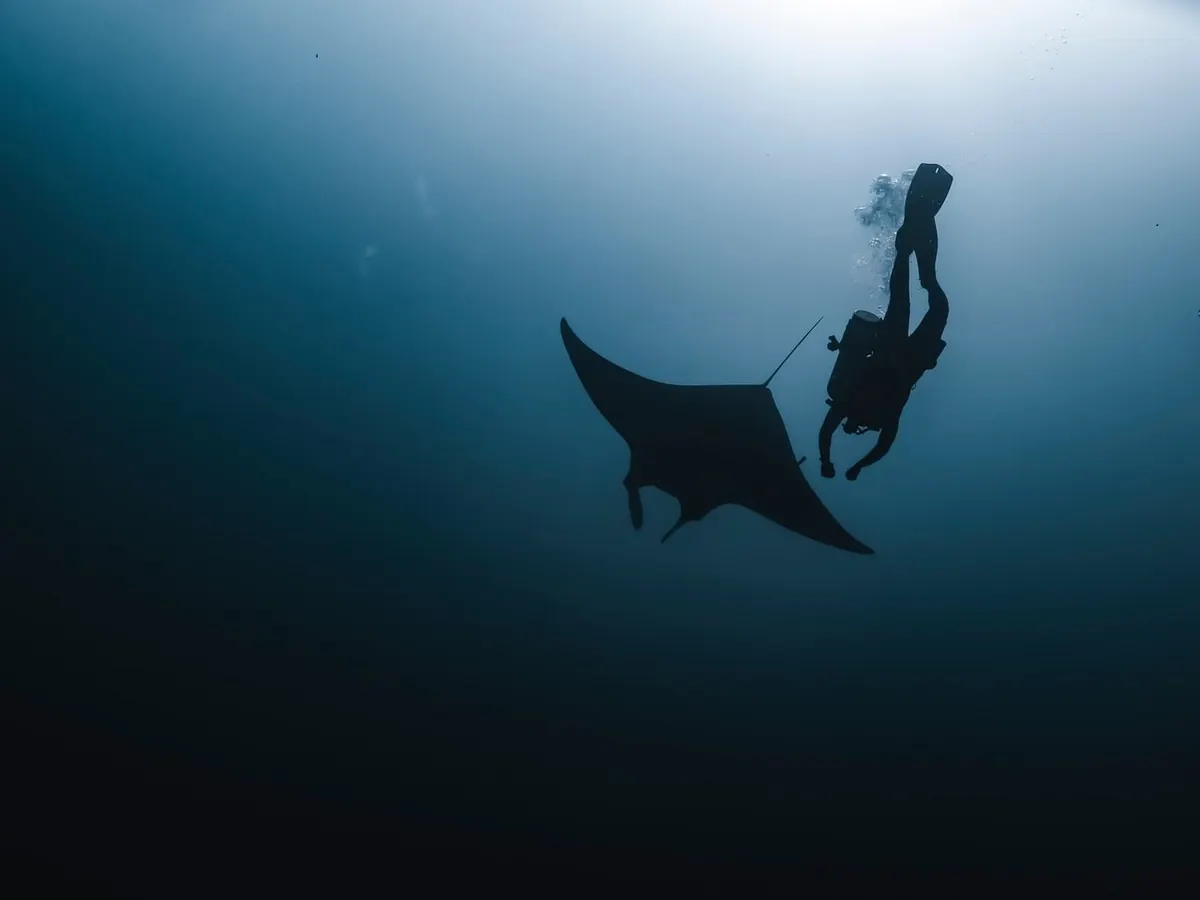
Volunteering on a reef is one of the most rewarding things you can do with a mask and fins. It is also one of the easiest ways to cause harm while trying to do good. The gap between a useful volunteer and a damaging one rarely comes down to enthusiasm. It comes down to a handful of small habits, some built before you travel and some picked up in your first twenty minutes underwater.
These are the mistakes that come up again and again on coral projects, along with what to do instead.
1. Treating buoyancy as someone else's problem
Poor buoyancy damages more coral than almost anything else a volunteer does. A diver drifting a metre low drags fins across a coral head. One who over-inflates drops onto the reef from above. Neither means any harm. Both are avoidable.
Before you join survey work, be honest about your control. Can you hover in one place for a full minute without touching anything and without finning, simply by breathing? Can you rise half a metre and stop? If the answer is no, spend your first days on a sandy practice site with a buddy or the project's dive staff watching.
Fixes that work
- Do a proper weight check at the end of a dive with a near-empty cylinder, not at the start with a full one.
- Use your lungs for small adjustments and save the BCD for bigger ones.
- Streamline your kit: dangling consoles, torches and octopus hoses knock coral as you swim.
- Practise hovering above sand before you practise hovering above reef.
If you cannot hover, you cannot help. Learn to hold position first; the survey skills can wait a day.
2. Forgetting that fins, knees and cameras count as touching
Most volunteers would never reach out and grab a coral. Plenty still kneel on a patch of sand beside one, plant a hand to steady themselves for a photograph, or let a camera housing bump the substrate while they frame a shot. Coral does not distinguish between a hand and a fin tip.
Adopt a no-hands rule for the whole trip. If you need to stay still, hover; if you need to write, hover and use a slate clipped to your wrist. Secure your camera with a retractable lanyard short enough that it cannot swing into the reef, and tuck gauges under your arm or into a pocket. Watch your fin tips, especially in a current — a slow flutter kick travels further than you think. And resist the urge to move a "dead" fragment or turn over rubble to see what is underneath. That rubble is habitat, and the project's survey method will tell you what to record.
3. Choosing sunscreen and kit without thinking it through
Reef-safe labelling is not well regulated, and covering up beats relying on any lotion. Wear a long-sleeved rash vest or dive skin, a hat and sunglasses, and use a mineral-based sunscreen on the small areas that remain exposed. Some marine parks and projects ask divers to skip sunscreen entirely, so check before you travel and follow the local rule rather than your home habit.
The same logic applies to your gear. Snorkels, bags and booties are easy to lose overboard, and loose plastic on a boat ends up in the water. Bring reusable bottles and bags, avoid single-use items on the boat, and if something goes over the side, tell the crew rather than hoping it will wash up somewhere harmless.
4. Skipping briefings and improvising the method
Projects run to a fixed method so that today's numbers can be compared with last year's. A volunteer who decides to "improve" the transect line, change the depth of a survey or estimate a percentage cover from memory spoils the data quietly and thoroughly. Bad data wastes everybody's time, including yours.
Turn up to briefings on time and take notes. Ask when you do not understand a term. If you are asked to record coral cover, disease, bleaching or fish counts, learn the categories during a dry run before you get in the water, and use the project's identification cards rather than your own judgement. If you are unsure, write "unsure" and tell the person leading the survey. A gap is far better than a guess.
5. Doing too much, too soon
Two or three dives a day in warm water sounds gentle. Add early starts, sun exposure, a boat journey and unfamiliar food, and fatigue builds faster than most people expect. Tired divers make mistakes with buoyancy, air checks and buddy contact — the exact mistakes that damage coral and divers alike.
Follow your certification limits, keep proper surface intervals, and never skip a safety stop because the group is ahead. Drink water through the day, eat properly, and go easy on alcohol the night before a dive. If you have a medical condition, take medication or are returning to diving after a break, speak to a dive doctor before you book. Seasickness and ear problems are worth raising with a pharmacist or GP too — there is no prize for pushing through either.
6. Treating the local community as background
A reef project only works if the people who live beside it are on board, and they usually know more about the site than any visiting volunteer. Volunteers sometimes arrive with a plan for how things "should" be done, or treat local staff as support crew rather than colleagues.
Ask questions and listen to the answers. Learn names, learn a few words of the local language, and find out what the community actually needs rather than what you assumed before you arrived. Buy locally where you can, follow local rules about marine parks and fishing, and accept that some decisions are not yours to make. Being useful is quieter work than being in charge.
Getting it right from the start
None of this is complicated, and most of it can be sorted before you leave home. Work through this short list and you will arrive ready to be genuinely useful.
- Get your buoyancy to hover standard — a full minute motionless — before you book a survey role.
- Ask the project what certification, insurance and dive medical evidence they need, and send it early.
- Check the local rules on sunscreen and single-use plastic, then pack accordingly.
- Bring a wrist slate, a short lanyard and a way to secure every piece of kit.
- Read the survey method beforehand and arrive ready to follow it exactly.
- Plan rest days into your trip. Recovery is part of the work.
Then, when you get home, keep going. Carry the habits back with you: less single-use plastic, more care about what ends up in the sea, and a willingness to support reef projects with time or money long after the tan fades. The reef does not get a holiday, and the best volunteers do not either.
Photo: Franziska_Stier / Pixabay